 Inquiry
 Shipping address



LR44 Battery Guide: Equivalents, Voltage, Uses and Replacements
The LR44 battery is a small but widely used power source found in calculators, toys, digital thermometers, watches, measuring tools, and many other compact electronic devices. Although it looks simple, choosing the right replacement can be confusing because several batteries share similar names, sizes, or voltage ratings.
If you are searching for an LR44 battery equivalent, comparing the LR44 battery vs 357, or trying to understand the difference between an LR44 and an AG13 battery, the most important point is this: batteries that look alike are not always identical in performance.
This guide explains LR44 battery voltage, dimensions, common applications, compatible replacement options, price factors, and the differences between popular button cells. It is written for everyday users, product buyers, repair technicians, and businesses that need to select the correct battery for their devices.
What Is an LR44 Battery?
An LR44 battery is a small, round alkaline button cell designed to supply electrical power to compact electronic products. It has a nominal voltage of 1.5 volts and measures approximately 11.6 mm in diameter and 5.4 mm in height. It is a non-rechargeable battery, which means it should be replaced when its useful energy has been used.
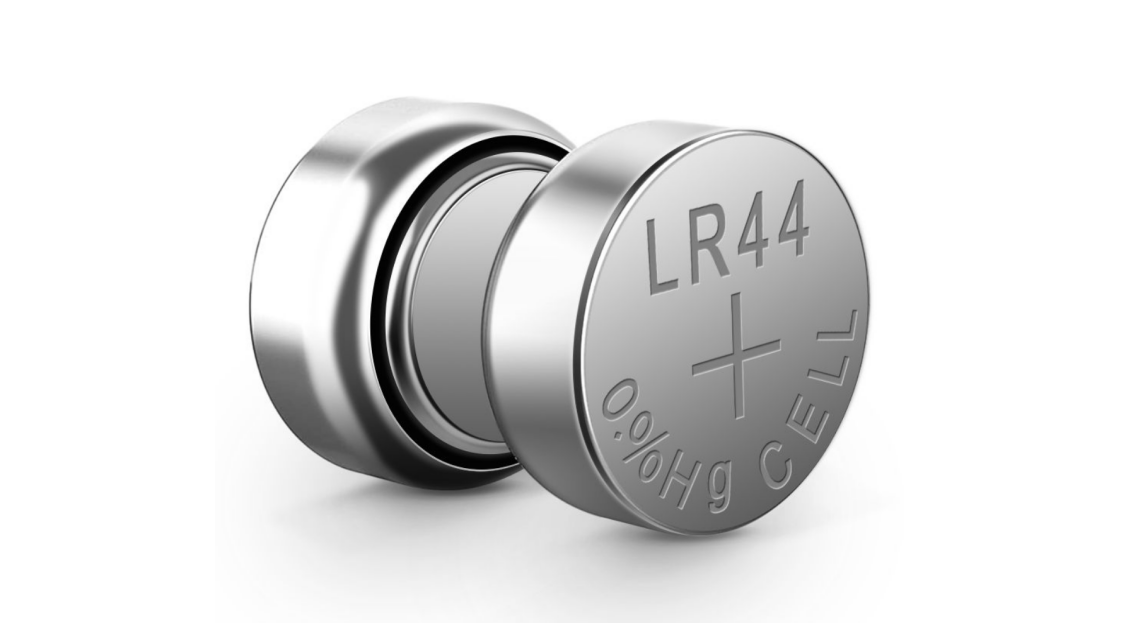
The LR44 belongs to the alkaline manganese battery family. Its compact shape makes it suitable for products that need a small power source without taking up much internal space. It is commonly sold individually, in blister packs, and in multi-battery packages.
People may also search for an LR44 coin battery or LR44 coin cell battery. These terms are often used informally for small, round batteries. However, LR44 is more accurately described as a button cell because it is relatively thick compared with thin lithium coin cells such as the CR2032.
One important detail is that LR44 describes a particular battery type, not a brand. Different manufacturers may produce LR44 batteries with different capacities, shelf lives, packaging, and quality levels. The basic battery category remains the same, but the actual performance depends on the manufacturer's design and test conditions.
LR44 Battery Specifications
Before buying a replacement, it helps to understand the main specifications of an LR44 1.5V battery. These details provide a starting point for checking whether another battery is suitable for your device.
| Specification | Typical LR44 Value |
|---|---|
| Battery type | Alkaline button cell |
| Nominal voltage | 1.5 V |
| Diameter | Approximately 11.6 mm |
| Height | Approximately 5.4 mm |
| Rechargeable | No |
| Common alternative codes | AG13, A76, LR1154, L1154, V13GA |
| Common silver oxide alternatives | SR44 and 357, subject to device requirements |
These are typical reference values rather than a guarantee for every battery sold under a related code. Always check the manufacturer's datasheet and the device instructions when exact dimensions, operating conditions, or battery performance matter.
LR44 Battery Equivalent: Which Batteries Can Replace It?
The search for an LR44 battery equivalent is common because the same basic battery type may appear under different names in different markets. Some codes refer to equivalent alkaline batteries, while others identify batteries with a different chemical system.
Common alkaline alternatives include AG13, A76, LR1154, L1154, G13A, and V13GA. These designations are frequently used as cross-references for LR44-sized alkaline button cells. However, naming practices can vary by manufacturer, so buyers should confirm the full product specification instead of relying only on a similar code.
| Battery code | Typical chemistry | Nominal voltage | Replacement guidance |
|---|---|---|---|
| LR44 | Alkaline | 1.5 V | Original battery type |
| AG13 | Usually alkaline | 1.5 V | Common equivalent; verify specifications |
| A76 | Alkaline | 1.5 V | Common equivalent |
| LR1154 | Alkaline | 1.5 V | Common equivalent |
| L1154 | Alkaline | 1.5 V | Common equivalent |
| V13GA | Alkaline | 1.5 V | Common cross-reference |
| SR44 | Silver oxide | 1.55 V | Conditional alternative |
| 357 | Silver oxide | 1.55 V | Conditional alternative |
| CR2032 | Lithium manganese dioxide | 3 V | Not a direct replacement |
When searching for a battery LR44 equivalent or equivalent battery LR44, start with the exact alkaline cross-reference listed in the device manual. If the original battery code is unavailable, compare the dimensions, voltage, chemistry, and discharge requirements before selecting an alternative.
LR44 Button Battery Equivalent
The most common LR44 button battery equivalent options are AG13 and A76, followed by other alkaline cross-reference codes such as LR1154 and L1154. These names are useful when searching across different retailers and battery brands.
Nevertheless, a seller's use of the word equivalent does not automatically establish that a product has the same tested capacity, shelf life, leakage performance, or quality-control standard. For products used in medical equipment, precision instruments, or commercial devices, confirm the manufacturer's documentation before approving a substitute.
LR44 Cell Battery Equivalent
People searching for an LR44 cell battery equivalent are usually looking for another cell that fits the same battery compartment. The physical match is important, but it is only the first part of the selection process.
A suitable alternative must also deliver the voltage and current behavior expected by the device. For example, a low-power toy may operate correctly with a suitable alkaline equivalent, while a precision measuring instrument may require the more stable voltage characteristics of a silver oxide cell.
For this reason, the best replacement is not always the battery with the closest-looking name. It is the battery that meets the electrical and mechanical requirements of the actual application.
LR44 Battery Voltage: What Does 1.5V Mean?
The nominal LR44 battery voltage is 1.5 volts. This is the standard reference voltage used to identify the battery's basic electrical category. A new alkaline cell may show an open-circuit voltage above 1.5 V, depending on its condition and the manufacturer's specifications.
During use, the voltage gradually changes as the battery releases its stored energy. The rate of change depends on the electrical load, temperature, battery age, and design. A device may continue operating while the voltage remains within its acceptable range, then stop working when the voltage drops below its operating limit.
This explains why two batteries with the same nominal voltage may not last equally long. Voltage alone does not tell you the available capacity, the battery's ability to supply current, or how consistently it will power a device throughout its service life.
LR44 Watch Battery Voltage
The term LR44 watch battery voltage can be misleading because many watches use silver oxide button cells rather than alkaline LR44 batteries. A silver oxide SR44 cell has a nominal voltage of approximately 1.55 V and typically maintains a more stable voltage during discharge.
Some devices can operate with either an alkaline or silver oxide cell of the same size. However, the choice should follow the watch manufacturer's instructions. If a watch specifically requires an SR44 or a particular 357-series battery, do not assume that an LR44 will provide the same operating life or timekeeping performance.
For precision instruments and devices that monitor battery voltage, the difference in discharge behavior can be more important than the small difference between 1.5 V and 1.55 V.
LR44 Battery Uses: Where Is It Commonly Found?
Understanding what an LR44 battery is used for helps explain why the correct replacement matters. Its small dimensions and practical voltage make it suitable for many compact electronic products.
1. Calculators and Small Electronic Devices
Some pocket calculators and compact electronic accessories use LR44 batteries because they require a small power source. In these applications, a standard alkaline equivalent may be sufficient when it matches the original specifications.
2. Toys and Electronic Gadgets
Small toys, miniature lights, electronic novelty products, and simple gadgets may use LR44 batteries. Some products contain several button cells, so buyers should check the required battery count and polarity before replacing them.
3. Digital Thermometers and Measurement Tools
Selected thermometers, compact measuring instruments, and other electronic tools may use LR44-sized cells. The exact requirement depends on the device design. A precision instrument may need a battery with a more stable discharge profile than a basic alkaline cell provides.
4. Watches and Small Timekeeping Products
Some watches and timekeeping devices use batteries of similar dimensions, but not every watch designed for an SR44 or 357 cell is best served by an LR44. Check the battery code printed in the manual or on the original cell before purchasing a replacement.
5. Medical and Optical Devices
Some compact medical, optical, and testing devices use small button batteries. In these applications, the approved battery type should take priority over price or convenience. Never substitute a battery in a medical device without checking its instructions.
The main lesson is simple: LR44 batteries are versatile, but their suitability depends on the device. Confirm the required battery type rather than assuming that every small electronic product uses the same cell.
LR44 Battery vs 357: What Is the Difference?
The LR44 battery vs 357 comparison is one of the most important questions for buyers because the two batteries have similar dimensions but different chemical systems.
An LR44 is typically an alkaline cell with a nominal voltage of 1.5 V. A 357 battery is generally a silver oxide cell with a nominal voltage of 1.55 V. Both commonly measure approximately 11.6 mm in diameter and 5.4 mm in height.
The key difference is not simply the voltage. Silver oxide chemistry generally provides a flatter discharge curve, meaning the voltage remains more stable through much of the battery's useful life. Alkaline voltage typically declines more noticeably as the battery discharges.
For a simple toy or low-power gadget, an LR44 may be a practical choice if the manufacturer permits it. For a precision instrument or a device designed around a silver oxide battery, the 357 may provide more appropriate performance.
Some battery manufacturers sell cells identified as 357/303 or provide combined cross-reference information. However, the 357 and 303 designations can reflect different discharge requirements. Check the exact manufacturer's datasheet rather than treating every product carrying one of these numbers as identical.
SR44 Battery vs LR44
The SR44 battery vs LR44 comparison is similar to the comparison between 357 and LR44. SR44 normally identifies a silver oxide button cell, while LR44 identifies an alkaline button cell.
Both types share a common nominal size of approximately 11.6 mm by 5.4 mm. The SR44 typically has a nominal voltage of 1.55 V, compared with 1.5 V for the LR44.
The main practical advantage of silver oxide chemistry is its relatively stable voltage during discharge. This characteristic can be useful in watches, measuring instruments, and other products that need predictable electrical behavior.
However, silver oxide cells may cost more than comparable alkaline products. Whether the extra cost is worthwhile depends on the device's electrical requirements, expected operating life, and the manufacturer's recommendations.
Do not choose an SR44 simply because it appears to be a higher-performance battery. Confirm that the device accepts it and that the replacement meets the required operating conditions.
LR44 Battery vs AG13
For most buyers, the LR44 battery vs AG13 comparison is much simpler. AG13 is commonly used as an alternative designation for an LR44-sized alkaline button battery. Both are generally associated with a nominal voltage of 1.5 V and dimensions of approximately 11.6 mm by 5.4 mm.
In many ordinary applications, an AG13 battery marked as an LR44 equivalent can replace an LR44. The important point is to confirm that the AG13 product is actually an alkaline cell with the expected specifications.
Because AG codes are widely used in commercial battery naming, the label alone may not provide every technical detail. Different manufacturers can use cross-reference labels differently. Look for the chemistry, voltage, dimensions, and manufacturer's product information when accuracy matters.
If both batteries are confirmed to have the required specifications, there is usually no reason to pay extra simply because one package uses the LR44 name and another uses AG13.
LR44 Battery vs CR2032
The LR44 battery vs CR2032 comparison is important because both products are small, round cells, but they are not direct replacements for each other.
An LR44 is an alkaline button cell with a nominal voltage of 1.5 V and dimensions of approximately 11.6 mm by 5.4 mm. A CR2032 is a lithium coin cell with a nominal voltage of 3 V and dimensions of approximately 20 mm by 3.2 mm.
These differences affect both physical fit and electrical performance. A CR2032 is wider, thinner, and has twice the nominal voltage of an LR44. Installing it in a device designed for an LR44 can result in an incorrect fit or an unsuitable voltage.
Although both products may be called coin batteries in everyday conversation, their chemistry, dimensions, and intended applications are different. Never select a CR2032 as an LR44 replacement based only on the general shape of the battery.
Difference Between LR41 and LR44 Battery
The difference between LR41 and LR44 battery types is mainly their physical size and typical capacity. Both are alkaline button cells with a nominal voltage of 1.5 V, but they are not the same size.
An LR41 typically measures about 7.9 mm in diameter and 3.6 mm in height. An LR44 typically measures about 11.6 mm in diameter and 5.4 mm in height. The LR44 is therefore larger and usually offers more capacity, although actual capacity varies by manufacturer and test conditions.
Because the dimensions differ, an LR41 should not be treated as a direct replacement for an LR44. Even if the nominal voltage is the same, the smaller battery may not fit securely or supply energy for the expected period.
Always match the full battery code and physical dimensions. A voltage match alone is not enough to establish compatibility.
Is an LR44 Lithium Battery Available?
People sometimes search for an LR44 lithium battery or lithium battery LR44 equivalent when they want a longer-lasting replacement. However, a standard LR44 is an alkaline battery, not a lithium primary cell.
Some silver oxide cells share its dimensions, and some lithium coin cells may offer different energy characteristics, but those differences do not make them automatic replacements. Lithium batteries can have different nominal voltages, discharge profiles, and physical dimensions.
For example, a CR2032 is a 3 V lithium coin cell and is not a direct LR44 substitute. A battery's chemistry must be compatible with the electrical design of the device, not just its available space.
If longer operating life is the goal, first check whether the device manufacturer approves a silver oxide alternative such as SR44 or 357. If the device requires alkaline chemistry, choose a quality LR44 from a reputable manufacturer rather than experimenting with an unrelated lithium battery.
How to Choose an LR44 Battery Replacement
Choosing an LR44 battery replacement should be a straightforward process when the original battery code is available. The following checks can help reduce the risk of buying an unsuitable product.
Check the Original Battery Code
Read the code printed on the old battery or consult the device manual. If the code is LR44, start by looking for LR44 or a documented alkaline equivalent such as AG13 or A76.
Confirm the Dimensions
The replacement must fit the battery compartment properly. Check the diameter and height rather than relying on product photographs or general descriptions such as small button battery.
Match the Voltage
Verify that the replacement supplies the nominal voltage required by the device. Do not substitute a 3 V lithium cell for a 1.5 V alkaline cell unless the device manufacturer explicitly supports that battery type.
Check the Chemistry
Determine whether the device requires alkaline, silver oxide, or another battery chemistry. Two cells can have the same dimensions while providing different discharge behavior and useful life.
Consider the Application
A low-power toy and a precision measuring instrument may have different battery requirements. The most economical replacement for a basic gadget may not be the best choice for a product that depends on stable voltage or predictable operating life.
Buy from a Reliable Source
Check the manufacturer's identity, packaging, production traceability, and available technical documentation. For commercial applications, these details can be more useful than choosing the lowest advertised price.
LR44 Battery Price: What Affects the Cost?
The LR44 battery price varies according to the manufacturer, sales channel, order quantity, packaging, product quality, and region. A single battery purchased from a local shop may cost more per cell than a multi-pack bought from an established online retailer.
Brand recognition can also affect the price. Well-known battery manufacturers may charge more because of their distribution network, quality controls, packaging, and product support. Generic batteries may be less expensive, but their specifications and consistency should be evaluated carefully.
Another important factor is the quantity purchased. An LR44 battery pack containing several cells can reduce the cost per battery, especially for households, repair shops, or businesses that use them regularly.
However, a lower unit price does not always mean a lower total cost. If a battery has a shorter useful life, inconsistent performance, or poor storage history, replacing it more often may eliminate the initial savings.
For bulk purchases, compare the cost per cell, minimum order quantity, packaging, shelf-life information, and supplier reliability. Ask for the relevant datasheet when the batteries will be used in commercial products or equipment with specific requirements.
LR44 Battery Pack and LR44 Battery 3 Pack
An LR44 battery pack can be a convenient option when several devices use the same battery type. Multi-packs are commonly sold for household gadgets, toys, calculators, and other low-power electronics.
An LR44 battery 3 pack may be suitable for a buyer who needs only a few replacement cells. Larger packs may offer a lower cost per cell, but the value depends on the purchase price, the number of batteries required, and how quickly they will be used.
Before buying a large package, check the expiration or best-before information where available, storage recommendations, and packaging integrity. Button cells should be kept in their original packaging or another secure container until they are needed.
For businesses, choosing the right pack size can help balance purchasing costs and inventory requirements. Ordering more batteries than necessary may tie up money in stock that sits unused for a long period.
Are LR44 Batteries Compatible with Every Device That Uses a Button Cell?
No. LR44 batteries are compatible only with devices designed for the appropriate battery dimensions, voltage, chemistry, and discharge requirements.
A common mistake is assuming that all button batteries are interchangeable. In reality, some are much thinner, some are wider, and others provide a different nominal voltage. These differences can affect physical contact, device operation, and safety.
When checking whether an LR44 battery compatible replacement is available, look at the complete specification. A matching code or a recognized cross-reference is a useful starting point, but the device manufacturer's instructions remain the best guide.
For equipment used in healthcare, industrial measurement, or other applications where incorrect operation could have serious consequences, use only approved battery types and follow the specified replacement procedure.
How Long Does an LR44 Battery Last?
There is no single operating-life figure that applies to every LR44 battery. Battery life depends on the product's capacity, the amount of current drawn by the device, how frequently it is used, temperature, and the voltage at which the device stops operating.
A battery powering a device that uses very little current may last much longer than one powering a product with frequent lights, sounds, or other active functions. Two products using the same battery can therefore have very different replacement intervals.
Storage conditions also matter. Batteries kept in hot or humid environments may not retain their original performance as well as batteries stored according to the manufacturer's recommendations.
When comparing battery specifications, check the stated capacity and the conditions under which it was measured. Capacity figures obtained under different loads or cutoff voltages cannot always be compared directly.
How Should LR44 Batteries Be Stored and Replaced?
Store LR44 batteries in a cool, dry place and follow the manufacturer's temperature and shelf-life recommendations. Avoid exposing them to excessive heat, moisture, or direct sunlight.
When replacing a battery, follow the polarity markings in the device. Do not force a cell into the compartment, and do not mix old and new batteries unless the device instructions explicitly permit the arrangement.
LR44 batteries are not rechargeable. Attempting to recharge an alkaline button cell can cause leakage, overheating, or other hazards. Do not heat, crush, puncture, or disassemble a battery.
Button batteries can cause severe internal injuries if swallowed, particularly by young children. Keep new and used cells out of children's reach, and dispose of used batteries through an appropriate battery collection or recycling program. If a button battery may have been swallowed, seek emergency medical assistance immediately.
Frequently Asked Questions About LR44 Batteries
What is the most common LR44 battery equivalent?
AG13 and A76 are among the most common alkaline alternatives. LR1154, L1154, and V13GA are also widely used cross-reference codes. Check the product specifications to confirm that the replacement matches the original battery requirements.
Can I replace an LR44 with a 357 battery?
In many devices, a 357 silver oxide battery can replace an LR44 because the two cells share similar dimensions. However, a 357 has a different chemical system and a nominal voltage of approximately 1.55 V. Confirm compatibility with the device manufacturer before using it as a replacement.
Is AG13 exactly the same as LR44?
AG13 is commonly used for an LR44-sized alkaline button cell, so the two are often interchangeable when their specifications match. Because naming practices can vary, check the voltage, chemistry, dimensions, and manufacturer information.
Is an LR44 battery 1.5V or 1.55V?
A standard LR44 alkaline battery has a nominal voltage of 1.5 V. An SR44 or 357 silver oxide battery typically has a nominal voltage of 1.55 V. These are different battery types even though they share similar dimensions.
Can a CR2032 replace an LR44?
No, not as a direct replacement. A CR2032 is a 3 V lithium coin cell with different dimensions, while an LR44 is a 1.5 V alkaline button cell. Use the battery type specified by the device manufacturer.
Is an LR44 rechargeable?
No. Standard LR44 alkaline batteries are non-rechargeable primary cells. Do not attempt to recharge them. Replace depleted cells with suitable new batteries.
Why does my device stop working even when the LR44 battery is new?
Possible reasons include an incompatible battery type, incorrect polarity, dirty contacts, a defective cell, an unsuitable storage history, or a problem with the device itself. Check the battery code and installation first, then inspect the contacts according to the device instructions.
Should I choose a cheap LR44 battery or a branded one?
Price should be considered alongside product quality, supplier reliability, storage conditions, and the intended application. For simple low-power devices, a properly specified generic cell may be sufficient. For precision or commercial equipment, consistent performance and traceable product information may justify a higher purchase price.
Conclusion: How to Choose the Right LR44 Battery
The LR44 battery remains a useful power source for many small electronic devices because it combines a compact design with a nominal voltage of 1.5 V. Common equivalent codes include AG13, A76, LR1154, and L1154, while SR44 and 357 are potential alternatives that require closer attention to battery chemistry and device requirements.
The most reliable way to choose an LR44 battery replacement is to confirm four things: physical dimensions, nominal voltage, battery chemistry, and compatibility with the device. Price, packaging, expected operating life, and supplier reliability should then guide the final decision.
For everyday products, a correctly specified alkaline equivalent may be all that is needed. For precision instruments or commercial equipment, checking the manufacturer's datasheet and approved battery list can prevent unnecessary replacements and performance problems.
In short, the best LR44 battery is not necessarily the cheapest option or the one with the most similar name. It is the battery that meets the device's requirements and provides dependable performance for its intended use.
Recommended News


General Inquiry


2319218+
Product Quantity

200+
Brands Under Management

20+
Years in Business

30+
Countries & Regions Covered